- Al Quoz Industrial 3, Dubai
- Sat–Thu · 8 AM – 9 PM

Top-Notch Dodge Brake Pad Replacement in Dubai
Free estimate · No obligation
Why Is Expert Dodge Brake Maintenance Essential?
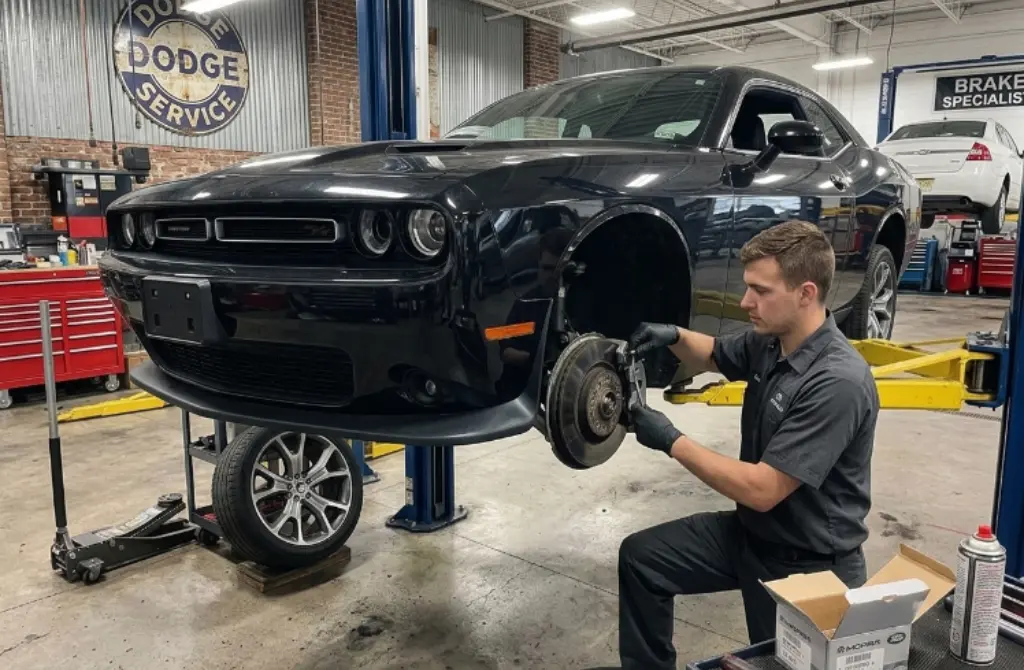
Dodge brake systems work with 3 safety modules: ABS, ESC, and the Electronic Brake Control Module. As brake parts wear down, your hydraulic pressure needs to change. Professional service ensures your vehicle keeps the “bite” required to stop your heavy truck or car safely.
Key safety and maintenance facts:
- Hardware Protection: We treat caliper slide pins with high-heat molybdenum grease. This cuts the risk of caliper seizure by 40% during heavy seasonal weather.
- Pedal Firmness: We flush old, moisture-filled fluid from the lines. This reduces mushy pedal travel by 25% for a more responsive feel.
- Noise Suppression: We install multi-layer rubberized shims between pads and calipers. This silences high-frequency brake squeal by 50% in city driving.
- ABS Reliability: We clean metallic buildup from wheel speed sensors. This increases ABS pulse response speed by 12% for safer emergency stops.
- Total Stopping Power: We perform a full system overhaul including line bleeding. This shortens total stopping distance by 10% compared to worn systems.
- Fluid Heat Tolerance: We use advanced synthetic fluids with higher boiling points. This adds a 45-degree safety buffer against fluid boiling during long descents.
Comprehensive Dodge Brake Repair and Maintenance Services
We follow a clear plan to maintain your Dodge stopping performance.
Technical Compliance and Fluid Standards
We use DOT 3 or DOT 4 synthetic brake fluids, such as Mopar, Bosch, and Castrol. These fluids maintain a stable boiling point and prevent the spongy pedal feel caused by high heat.
Brake Pad and Rotor Maintenance
We measure your rotors with digital tools. If they are within safety limits, we machine the surface. This makes new pads touch the rotor better for maximum stopping power.
Caliper and Hardware Restoration
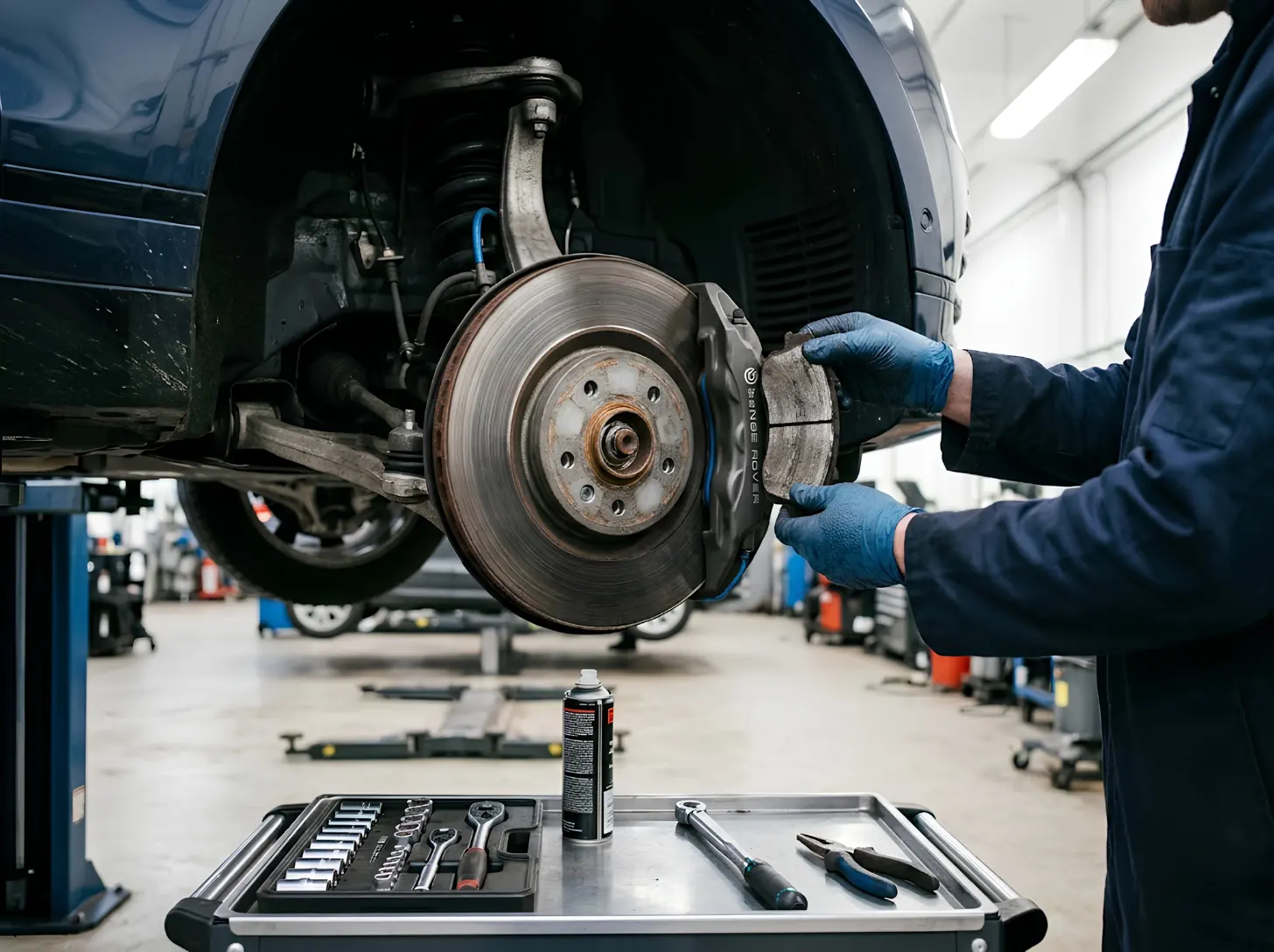
We clean multi-piston calipers, such as front Brembo units, rear sliding calipers, and parking brake hardware. This lets pads move freely and stops the uneven wear common in performance Dodge cars.
Electronic Sensor Calibration
We reset your service intervals using diagnostic software, such as WiTECH 2.0. This updates your Dodge infotainment system, clears old warnings, and ensures accurate pad-life tracking.
Professional Brake Fluid Flush
Old fluid absorbs water. This causes internal rust. We perform a full system flush to keep your hydraulics fresh and responsive for a long time.
Electronic Parking Brake (EPB) Maintenance
For new Dodge models with electric parking brakes, we use diagnostic software to pull back the motors safely. This prevents electrical errors and ensures a smooth, silent engagement.
Our Proven Dodge Brake Replacement Workflow
We follow a step-by-step process to ensure your Dodge is ready for the road.
Diagnostic Assessment & Disassembly
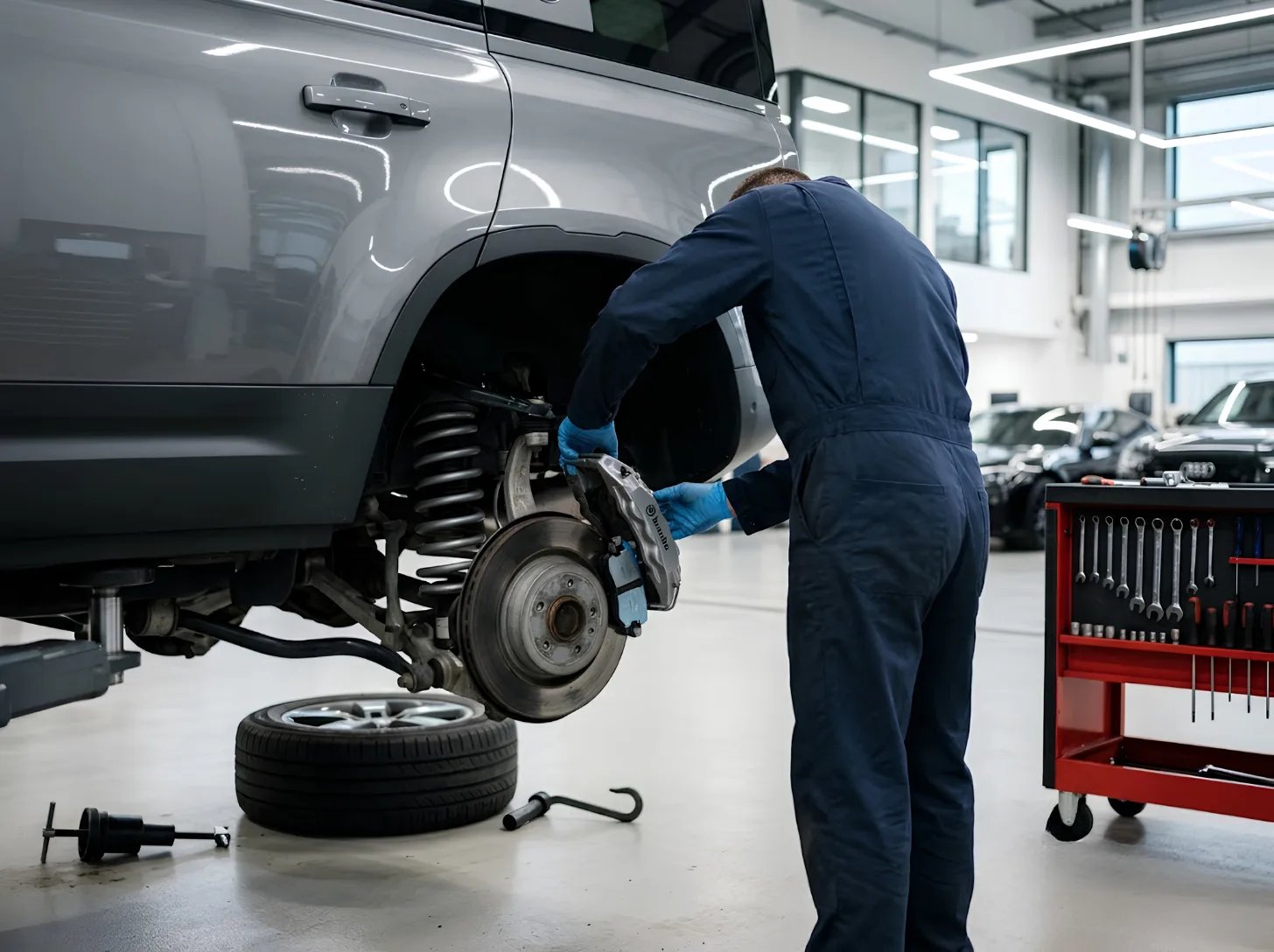
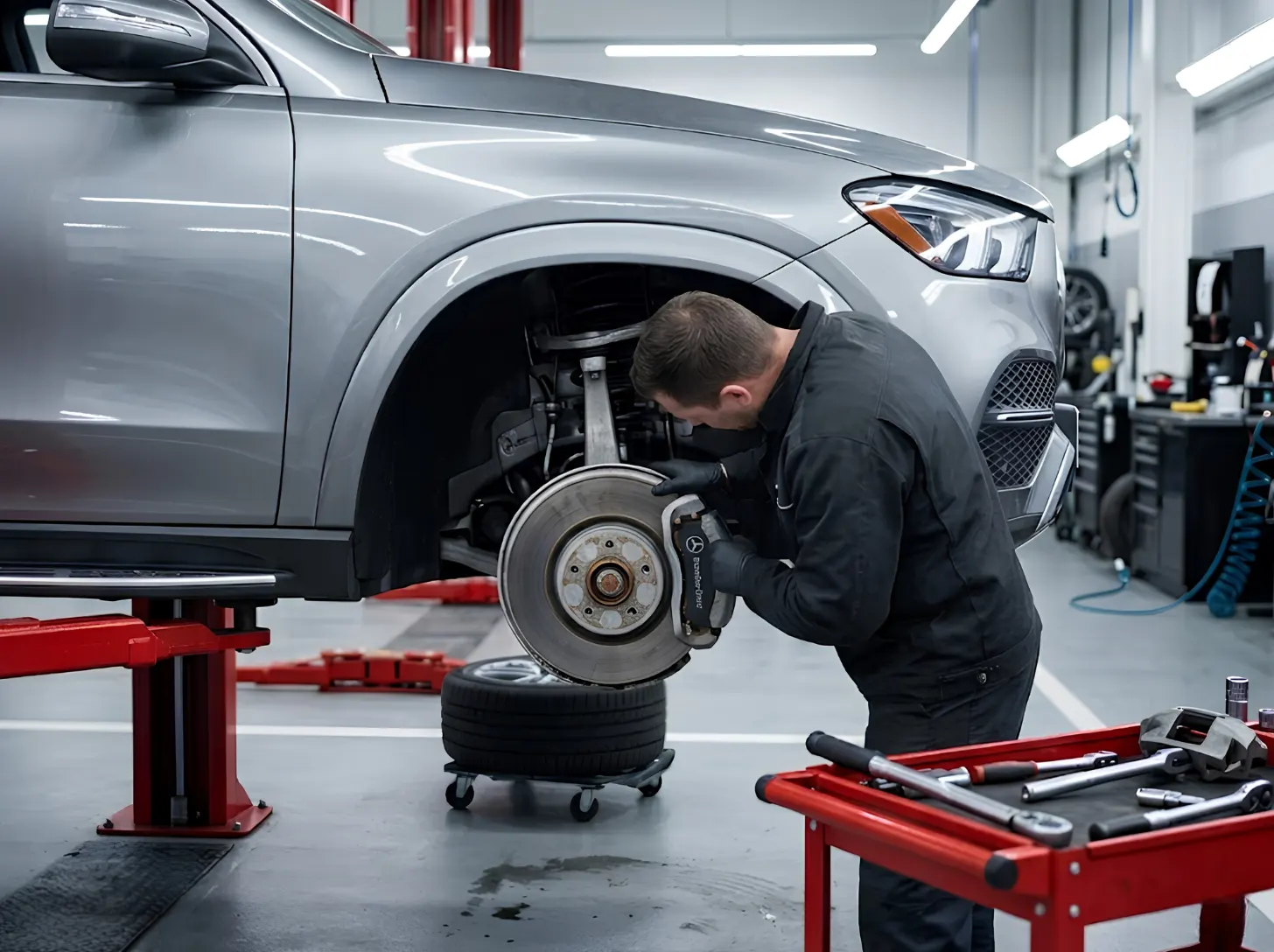
We test your brake pedal. We check the system for stored fault codes. We remove wheels and parts, including calipers, pads, and sensors. We protect your steering and suspension parts as we work.
Surface Preparation & Machining
We scrub wheel hubs to remove corrosion. If rotors are healthy but uneven, we machine them to create a flat surface. This creates a smooth surface for consistent braking.
Precision Installation & Bedding
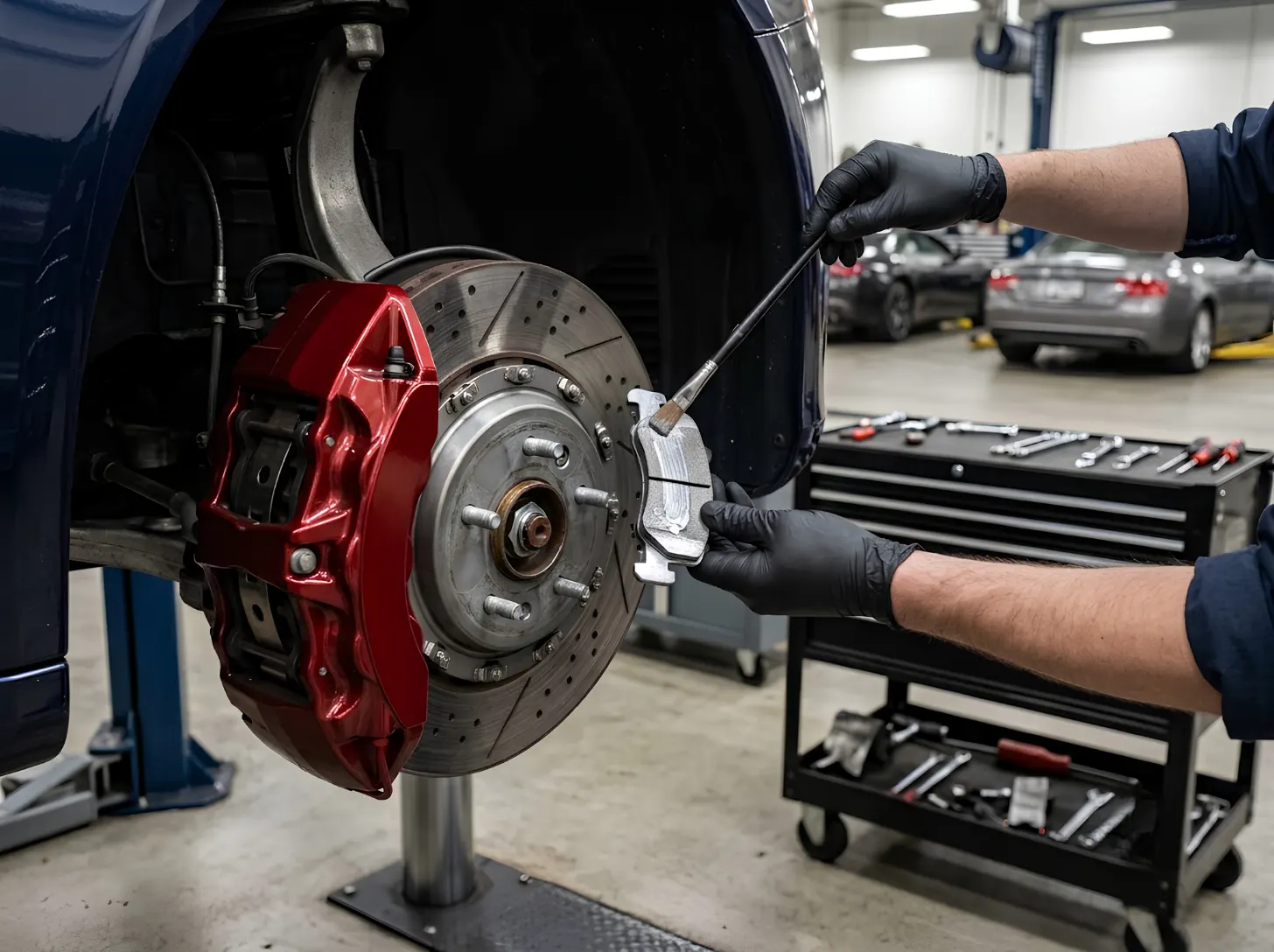
We use heat-resistant grease on all contact points. After we install the parts, we perform a controlled bedding process. This helps the pad material bond to the rotor for better friction.
Final Safety & Performance Verification
We test drive the car. We ensure it stops in a perfectly straight line. We verify that all sensors read correctly. The pedal will feel firm and responsive.
Why Choose Our Dodge Brake Repair Service?
We provide special care for American engineering. Your Dodge gets the exact precision it was designed for.
Expert Technical Certification
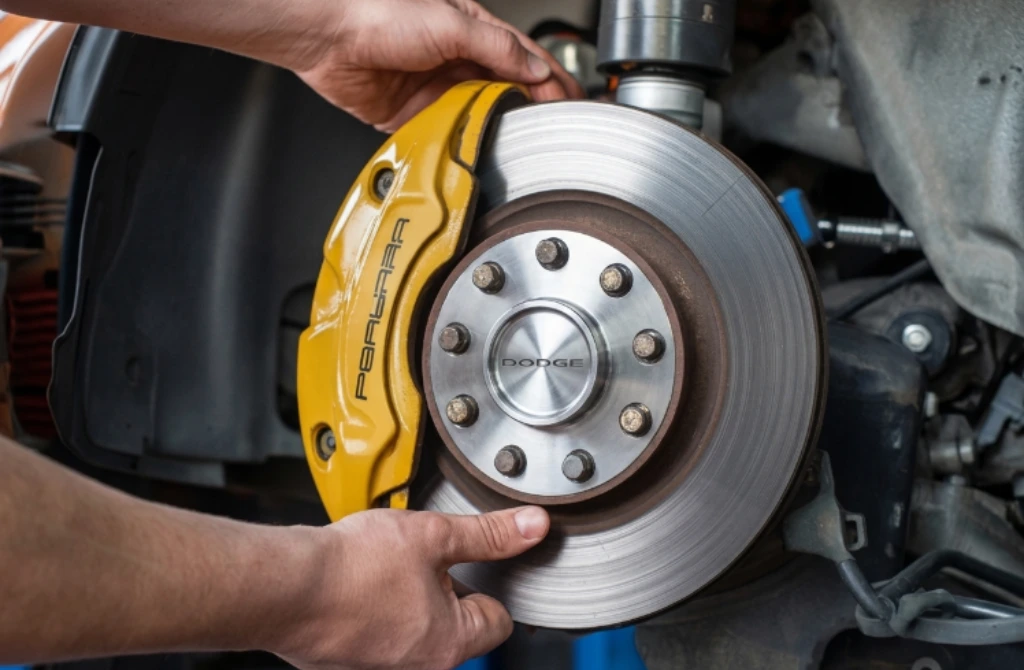
Technicians hold training for Dodge braking systems, such as electronic, hydraulic, and mechanical parts. We know the chassis needs for 3 key models: the Charger, Durango, and RAM. This ensures your vehicle gets expert care.
Advanced Diagnostic Technology
We use factory-grade tools, such as WiTECH 2.0. We talk directly to your Electronic Brake Control Module. We fix faults in 3 critical systems: ABS, ESC, and brake pressure sensors. This fixes root causes instead of just replacing parts.
Fair and Transparent Pricing
We operate with full transparency. We show you the exact condition of your pads and rotors. We explain the 3 technical needs for your service before we start. You always know exactly what you are paying for.
Premium Quality Parts
We install pads that match 3 Dodge factory specs: hardness, heat resistance, and sensor compatibility. These parts ensure the same stopping feel you had when the car was new.
Time-Efficient Service
We stock 3 high-demand Dodge components: brake pads, rotors, and sensors for the Charger, Durango, and RAM. This inventory cuts wait times. We return your Dodge to you without delay.
Comprehensive Service Warranty
We back our labor and parts with a warranty. This warranty offers 2 benefits: peace of mind and long-term reliability. Your brakes remain protected long after you leave our shop.
Brands We Serve












What Client Say After Service
Book Your Professional Dodge Brake Inspection Today
The 4 most critical Dodge braking services we provide include rotor machining, fluid flushing, sensor calibration, and pad replacement. These services ensure your Challenger, Durango, and RAM maintain factory-level safety. Schedule your inspection today to restore your stopping power, stop pedal fade, and ensure 100% reliability.
Frequently Asked Questions
Why does the pedal feel soft when I press it?
A soft pedal usually stems from 3 issues: air in the lines, old fluid, or boiling fluid. This is common in high-heat areas. A full flush brings back firm pressure for your safety.
How do I know if I need new pads soon?
Look for 3 clear signs: high-pitched squeaks, deep grinding noises, or longer stopping distances. These show your pads are thin. A quick check prevents damage to your rotors and saves you money.
Why does the RAM 1500 need specific heavy-duty pads?
This truck deals with 3 unique forces: massive curb weight, heavy towing loads, and inertia. Standard pads fail under this stress. Our heavy-duty pads stop the truck safely without brake fade.
What causes a vibration when I stop the car?
Vibration often happens due to 3 causes: warped rotors, loose wheel hubs, or uneven pad deposits. Our machine shop fixes the surface. This restores a smooth pedal feel and stable stopping.
Are electronic parking brakes hard to fix?
These systems use 3 complex parts: an electric motor, a screw, and diagnostic sensors. We use factory software to retract these motors safely. This ensures the brake works quietly and effectively.
How often should I check the brake sensors?
We suggest checking them every 10,000 km alongside 3 other tasks: rotor thickness tests, fluid quality checks, and caliper inspections. This plan prevents unexpected light alerts and rotor damage.
Why does my Dodge make noise after sitting in the rain?
Surface rust forms on the rotors in 3 weather conditions: high humidity, rain, and cool nights. This rust usually clears after 2 or 3 stops. It shows the system is working, but a check ensures no pins are stuck.
Can I mix different brake pad brands?
We avoid this for 3 reasons: unequal wear, imbalanced braking bias, and sensor errors. Your Dodge needs matching sets on each axle. Proper installation keeps your car driving straight and handling predictably.
Does aggressive city driving hurt my brakes?
Stop-and-go traffic creates 3 stresses: extreme heat cycles, fast pad thinning, and fluid contamination. This wears parts out quickly. Regular service stops your system from failing early.
Why do we machine rotors instead of just replacing them?
We look for 3 things: enough metal thickness, lack of deep cracks, and true balance. Machining saves you money and reduces waste. This gives you a perfectly flat surface for new pads.