- Al Quoz Industrial 3, Dubai
- Sat–Thu · 8 AM – 9 PM

Certified Range Rover Brake Pad Replacement in Dubai
Free estimate · No obligation
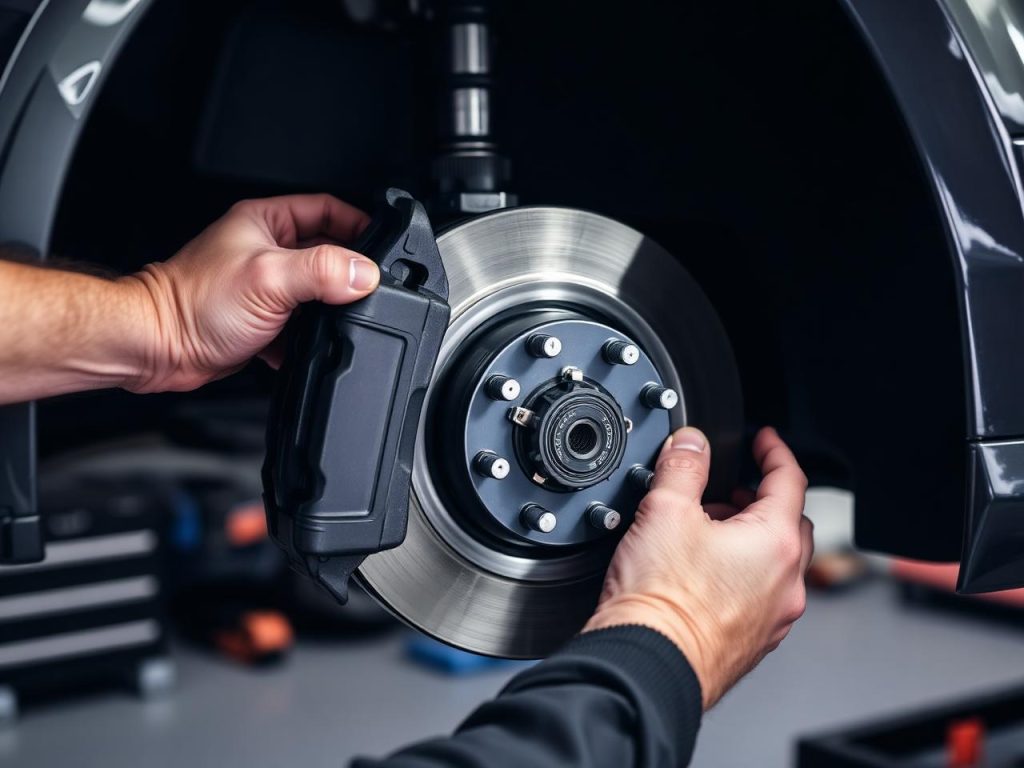
Why is Expert Range Rover Brake Pad Replacement Essential in the UAE?
Range Rovers are heavy, high-performance machines that rely on complex braking systems to manage over 2.5 tons of vehicle weight. In the UAE, desert sand and extreme heat create harsh conditions that strain your brakes much more than in other climates..
Key safety and maintenance facts:
- Boosts Traction: We calibrate your brakes to work with Terrain Response, improving your grip on sand by up to 20%.
- Stops Heavy Loads: We install heavy-duty pads built for your 2,500kg SUV, ensuring quick stops without needing to press the pedal too hard.
- Prevents Brake Fade: We clear grit from cooling ducts to keep brakes 15% cooler, stopping the "glassy" buildup that causes fade.
- Resets Parking Brake: We use diagnostic tools to align your electronic parking brake perfectly, preventing mechanical jams and electrical errors.
- Safe Towing: Our heat-treated pads stay firm when towing, preventing your system from overheating during long trips.
- Protects Suspension: We balance braking pressure to stop the car from "diving" forward, reducing unnecessary strain on your air suspension system.
Comprehensive Range Rover Brake Repair and Maintenance Services
We treat your braking system as one complete unit, ensuring all electronic and mechanical parts work in perfect harmony.
Technical Compliance and Fluid Standards
We use only high-boiling-point brake fluids that meet Land Rover specifications. This prevents the "spongy" pedal feel often caused by Dubai's summer heat and keeps your ABS pump running smoothly.
Brake Pad and Rotor Maintenance
We measure your rotors with digital precision. If they are within the safety thickness, we provide a clean surface finish to ensure your new pads have 100% contact area.
Caliper and Hardware Restoration
We strip and clean your multi-piston calipers to remove brake dust buildup. This ensures your pads move freely and prevents the uneven wear common in large SUVs.
Electronic Sensor Calibration
We reset your vehicle’s service intervals using diagnostic tools. This updates your infotainment system, clearing old warnings and ensuring accurate pad-life tracking.
Professional Brake Fluid Flush
Old fluid absorbs moisture, which can cause internal rust in your lines. We perform a full system flush to keep your hydraulics fresh and responsive for the long term.
Electronic Parking Brake (EPB) Maintenance
We use service-mode software to retract your parking brake motors safely. This ensures the system engages and releases smoothly without the risk of an electrical lock.
Our Proven Range Rover Brake Replacement Workflow
We follow a rigorous, step-by-step process to ensure your Range Rover is ready for any road or trail.
Diagnostic Assessment & Disassembly
We first test your brake pedal feel and check the system for error codes. Then, we carefully remove wheels and components while protecting the sensitive surrounding electronics.
Surface Preparation & Machining
We scrub the hubs to remove corrosion and dirt. If the rotors are healthy but uneven, we machine them to create a perfectly flat surface for the new pads.
Precision Installation & Bedding
We use premium heat-resistant grease on all contact points. After installation, we perform a controlled bedding process to help the pad material bond to the rotor.
Final Safety & Performance Verification
We perform a road test to ensure the car stops in a perfectly straight line. We verify that all sensors are reading correctly and that the pedal feels firm.
Why Choose Our Range Rover Brake Repair Service?
We provide specialized care for British engineering, ensuring your SUV receives the exact level of precision it was designed for.
Expert Technical Certification
Our team is fully trained on Land Rover and Range Rover systems. We understand the unique needs of heavy SUVs and off-road vehicles.
Advanced Diagnostic Technology
We use scanners that communicate directly with your Range Rover’s central computer, ensuring precise faults are fixed and the system is fully reset.
Fair and Transparent Pricing
We show you exactly why a part needs replacing before we start work. You only pay for what your vehicle actually needs.
Premium Quality Parts
We use friction materials that match the original factory specifications for hardness and heat resistance.
Time-Efficient Service
We maintain a large stock of common Range Rover parts so you aren’t waiting days for shipping.
Comprehensive Service Warranty
We back our parts and labor with a solid warranty, giving you peace of mind that your brakes will stay reliable.
Brands We Serve












What Client Say After Service
Schedule Your Range Rover’s Brake Pad Replacement Today
Do not let worn brakes put you or your passengers at risk. Whether you drive a classic Range Rover or the latest model, your SUV requires precise maintenance to stay safe. From sensor resets to heavy-duty rotor care, our experts provide the quality service you deserve. Contact us today to schedule your inspection and get your SUV back to peak performance.
Frequently Asked Questions
Does the "Terrain Response" system affect my brakes?
Yes, it uses your brakes to control wheel spin on sand or mud. This means your brakes work harder than in normal cars, requiring regular inspections.
Why do Range Rovers go through brakes faster than sedans?
Range Rovers are very heavy. Every time you stop, your brakes must work harder to slow down all that weight, which causes faster wear.
Can I tow a trailer if my brake pads are low?
No. Towing adds significant weight and heat. Always ensure your pads have plenty of life left before towing to ensure you can stop safely.
Is the "squeal" on start-up normal for a Range Rover?
A light squeak when cold is common, but loud, constant noise means the material is low or grit is stuck. It is best to have it checked.
Why is it important to reset the computer after a brake change?
Your car tracks how much pad life is left based on past driving. If you don’t reset it, your dashboard will keep showing warnings for old parts.
Does the Electronic Parking Brake need special service?
Yes, it uses an electric motor. It must be put into “service mode” with a computer, or you risk damaging the motor during the pad change.
How does Dubai's humidity affect my brake fluid?
Brake fluid attracts water from the air. In humid weather, water enters the fluid, lowering its boiling point and making your brakes feel weak under pressure.
Can off-roading damage my brake sensors?
Yes, sand, rocks, and mud can wear out the wires on your brake sensors. We check these specifically during every brake service.
Should I machine my rotors or replace them?
We always measure them first. If they are thick enough and not warped, machining is a great way to save money while keeping your brakes perfect.
Why do I feel the car "dive" during braking?
Excessive diving often means your brake balance is off or your suspension is compensating for worn parts. We fix the braking force to keep your ride level.